Getting Started with Chess Clubs in Portugal
Find local clubs, understand rating systems, and join your first tournament. We’ve mapped the best communities from Porto to Lisbon.

Why Join a Chess Club?
Chess clubs aren’t just for grandmasters. They’re where you’ll find people who genuinely love the game, from complete beginners to serious tournament players. Portugal’s got a thriving chess community, and it’s more accessible than you might think.
Whether you want to play casually over coffee, compete in structured tournaments, or improve your skills with dedicated coaching, there’s a club that fits. Most clubs welcome new members year-round, and you’ll be surprised how quickly you’ll make friends who share your passion for strategy and competition.


Understanding Chess Ratings
Portugal uses the FIDE rating system, which is the international standard. Don’t worry if you don’t have a rating yet — you’ll get one after playing your first rated games. Most clubs have players across the full spectrum.
Ratings typically range from 1000 (beginner) to 2600+ (elite). Here’s what you’re looking at: 1200-1400 is solid beginner territory. By 1600-1800, you’re playing competent club-level chess. Anything above 2000 puts you in serious territory. The good news? You don’t need a high rating to enjoy tournaments. Many clubs run separate sections by rating, so you’ll play against people at your level.
Your rating updates after each tournament based on your results and your opponents’ ratings. It’s not something to stress about — it’s just a useful way to measure progress and find appropriate competition.
How to Find Clubs Near You
Start with the Portuguese Chess Federation website (Federação Portuguesa de Xadrez). They maintain an official club directory with contact details, meeting times, and membership information. It’s the most reliable source.
Lisbon’s got options. The main clubs like Clube de Xadrez de Lisboa and Grupo de Xadrez de Benfica meet weekly, usually 2-3 times per week. Porto’s community is equally strong with several established clubs. Smaller cities have active communities too — you’d be surprised how many clubs exist once you start looking.
What to Check When Choosing
- Meeting schedule: 1-3 times per week is typical
- Membership fee: Usually 30-80 annually
- Playing level: Mix of ratings, or beginner-focused?
- Coaching: Do they offer lessons or mentoring?

Your First Visit: What to Expect
Show up, introduce yourself, and you’ll be welcomed. Seriously. Club organizers want new members. They’ll explain how their evening works, introduce you to a few regulars, and find you a game if you want one. No audition needed.
Most clubs have a casual section where members play blitz or rapid games outside of tournament nights. It’s low-pressure, you can watch before jumping in, and everyone remembers being new. Bring a notebook if you want to review your games afterward — that’s how you improve fastest.
First month or two? You’ll probably lose more than you win. That’s completely normal. Everyone at the club did too. What matters is you’re playing real opponents, making mistakes you can learn from, and building friendships with people who get why strategy games matter.
Entering Your First Tournament
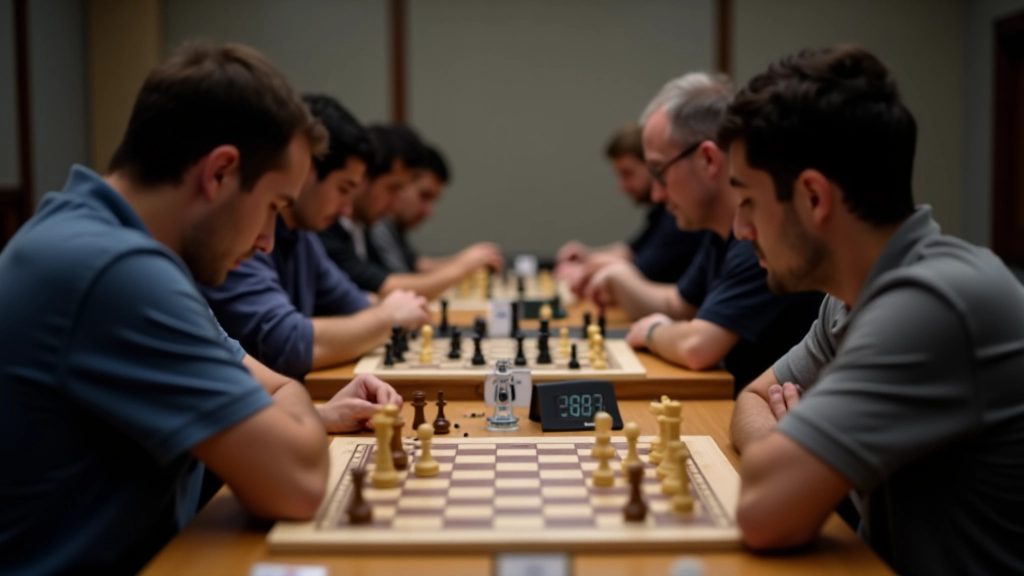
Most clubs organize internal tournaments throughout the year. These are structured events where you play multiple games (usually 5-7 rounds), and results count toward your official rating. They’re not scary. You’ll play in a section with people rated near your level.
Tournament format is typically Swiss System — you don’t play everyone, just opponents with similar scores to yours each round. Rounds happen on set dates (weekly or bi-weekly). Games are usually 90 minutes plus 30-second increment per move, which is plenty of time to think properly.
Pro tip: Your first tournament is about experience, not winning. You’ll see how tournament play feels different from casual games. Arrive early, bring a pen for notation, and don’t stress about the rating that comes after — it’s just a number reflecting where you are right now.
Beyond Your First Year
After a few months of regular play, you’ll notice real improvement. Your tactics get sharper. You stop blundering pieces away. You start recognizing patterns. Most importantly, you’ve got a community. Chess club nights become something you look forward to.
Some people stay casual players forever — and that’s great. Others get serious, invest in coaching, study openings, and work toward specific rating goals. Portugal’s chess federation runs regional and national tournaments for those who want to compete beyond club level. The path is entirely yours.
What won’t change: the friendships you make, the mental sharpness you develop, and the satisfaction of winning a well-played game. Chess clubs in Portugal offer all of that, plus a welcoming community that wants you to succeed.
About This Guide
This guide provides informational content about chess clubs and tournament structures in Portugal. Club information, membership fees, and meeting schedules may change. We recommend contacting clubs directly or visiting the Portuguese Chess Federation website for current details. Tournament rules and rating systems are subject to FIDE standards and may be updated periodically. This content is for educational purposes and doesn’t constitute official guidance from any chess organization.