

Getting Started with Chess Clubs in Portugal
Find local chess clubs, understand rating systems, and join your first tournament. A practical guide for adult beginners.
Read ArticleWhy cooperative games work so well for group meetups. Discover titles where everyone wins or loses together, perfect for social play.

There’s something different about sitting down to play a game where you’re not battling each other — you’re working together against the game itself. Cooperative board games aren’t new, but they’ve become increasingly popular for a really good reason. They change the entire dynamic of game night.
Instead of one winner and everyone else losing, you either all succeed or all fail as a team. That shift in perspective makes a massive difference. You’re not celebrating someone’s victory at your expense. You’re celebrating a shared achievement. The tension, the strategy discussions, the “did we make it?” moment — it all feels different when you’re united toward the same goal.
For groups in Portugal’s board game clubs, especially among the 40-60 age group, cooperative games create a more welcoming environment. New players don’t feel immediately outmatched. Experienced players focus on teaching rather than dominating. Everyone’s invested in the outcome.

Competitive games have their place, but they don’t create the same sense of belonging. When you’re constantly competing, the group naturally fragments into winners and losers. Someone walks away feeling great, and someone else walks away frustrated. That’s just the nature of it.
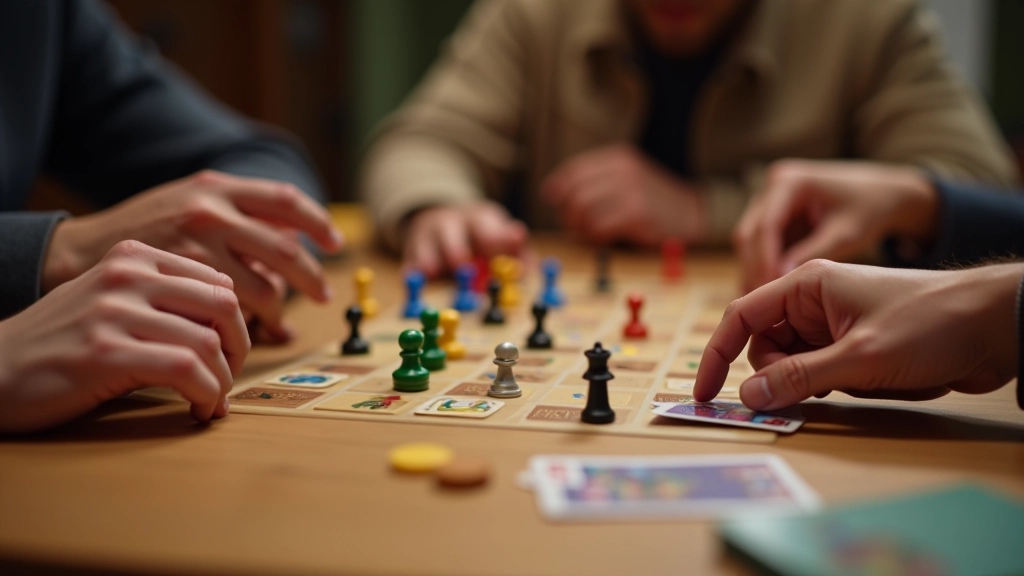
Cooperative games flip this entirely. You’re troubleshooting problems together. You’re debating strategy with each other, not against each other. You’re celebrating when you pull off a difficult victory. It’s genuinely collaborative.
Shared success builds friendships. You remember victories you achieved together, not ones you won against each other.
Experienced players help newer ones. Everyone contributes meaningfully. No one gets eliminated early and sits out the rest of the game.
Talking through moves openly creates engaging conversations. You’re problem-solving as a unit, which is actually more mentally stimulating.

These aren’t the only options, but they’re the ones that prove how engaging cooperative gaming can be. Most have multiple difficulty levels so you can adjust the challenge.
Players are disease specialists working together to contain outbreaks. The difficulty scales from easy to brutally hard. Takes about 45 minutes. It’s the game that proved cooperative mechanics could be genuinely challenging and engaging.
Build rail networks together instead of competing. Shorter than the standard version (about 30 minutes), perfect for newer groups. Everyone contributes to the same goal rather than pursuing individual agendas.
Two teams work together to guess secret words. Communication is key, and you’re all trying to solve the puzzle as a unit. Plays in about 20 minutes with 2-4 people. Simple rules, deep strategy.
Collect treasures on a sinking island before it disappears. Compact, affordable, and plays in 30 minutes. It’s often recommended for newcomers to cooperative games because the concept is immediately clear.
You don’t need to overhaul your entire game night schedule. Start by adding one cooperative game to rotation and see how people respond. Most groups discover they want to play them regularly once they experience the different dynamic.
Begin with something accessible. Codenames: Duets or Forbidden Island are genuinely good entry points. Players grasp the mechanics quickly, and the cooperative aspect becomes obvious within minutes. Save heavier games like Pandemic for groups that already enjoy strategic complexity.
Set clear expectations about communication. Some cooperative games encourage discussion (“talk through your strategy openly”), while others limit it (“you can only discuss general ideas, not specific moves”). Knowing the rules beforehand prevents frustration.
Don’t abandon competitive games entirely. The best club nights have a mix. Some people genuinely prefer the challenge of competing. But having cooperative options means more players feel welcome, and the social experience improves overall.

Once your group has played a few cooperative games and wants more complexity, these options provide richer experiences and longer play sessions.
Does everyone enjoy rule-heavy games? Are they willing to invest 90+ minutes in a single session? Can the group handle games with hidden information (where not everyone knows what’s happening)? Answer these honestly before committing to expensive purchases.
Board game cafes in Lisbon and Porto stock most mid-range cooperative games. Spend an evening playing Gloomhaven or Arkham Horror before deciding if your group wants to own a copy. You’ll know immediately if it’s the right fit.
Deeper games work best with regular groups. You need the same players most sessions so everyone learns the rules and story progresses meaningfully. Casual drop-ins struggle with narrative-heavy cooperative games.
The cooperative game market is genuinely rich now. You’re not limited to a handful of options. Here’s what’s worth exploring based on play time and complexity:
Codenames: Duets, Forbidden Island, Forbidden Desert, Magic Maze. Perfect for filling time before or after a longer session. Rules fit on a single page essentially.
Pandemic, Ticket to Ride Nordic, Spirit Island (with a caveat — it’s actually more complex than it sounds). Substantial enough to feel rewarding but not so long that people lose focus.
Gloomhaven, Arkham Horror, Mage Knight. These are commitments. Campaign-based or incredibly rule-heavy. Reserve these for dedicated groups that meet regularly.
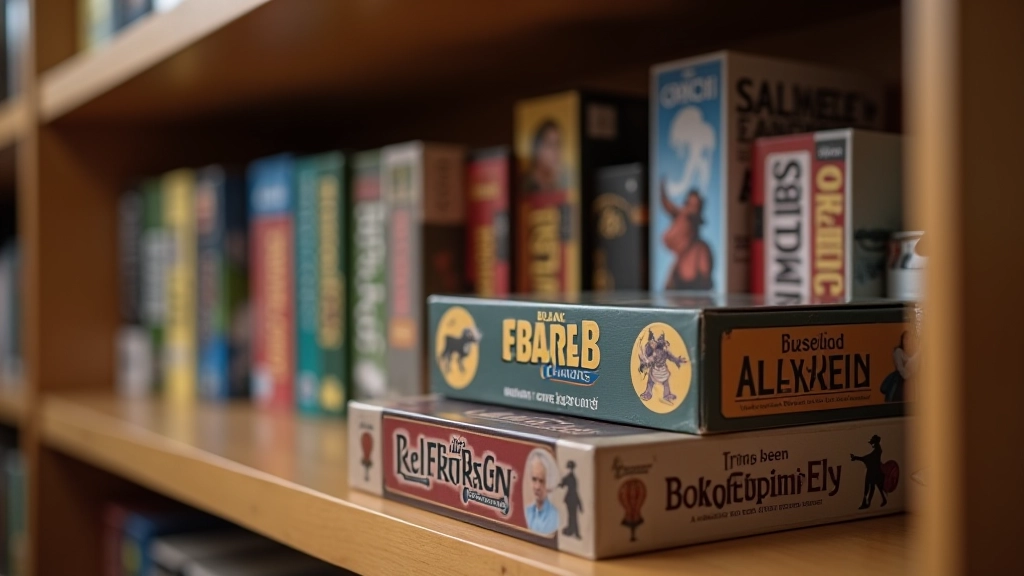
Cooperative games aren’t replacing competitive ones. They’re expanding what game nights can be. When you’ve got options, you can match the game to the group’s mood and energy. Some nights people want to compete fiercely. Other nights they want to collaborate and celebrate together.
For Portugal’s board game clubs, cooperative games have proven themselves as genuine community builders. They bring people together in a way that competitive games sometimes can’t. Everyone leaves feeling like part of something, not like they won or lost against each other.
Start small. Try one cooperative game at your next meetup. Watch how the dynamic shifts. Notice how people interact differently. You’ll probably understand why these games have become so important to gaming communities everywhere.
“When everyone’s working toward the same goal, there’s no loser to blame. You either figure it out together or you learn something for next time. That’s what makes it actually fun.”
— Player feedback from a Porto board game club

This article is informational and educational in nature. Game recommendations are based on community feedback and established board gaming preferences. Availability and pricing of games vary by retailer and location in Portugal. Board game cafes, clubs, and tournament structures change periodically — contact your local gaming community for current information. This article doesn’t constitute purchasing advice; research games thoroughly before making purchases.