

Getting Started with Chess Clubs in Portugal
Find local chess clubs, understand rating systems, and join your first tournament. We’ve mapped the best clubs from Porto to Lisbon.
Read MoreDiscover strategy game nights, chess tournaments, card game competitions, and cooperative sessions designed for players 40+
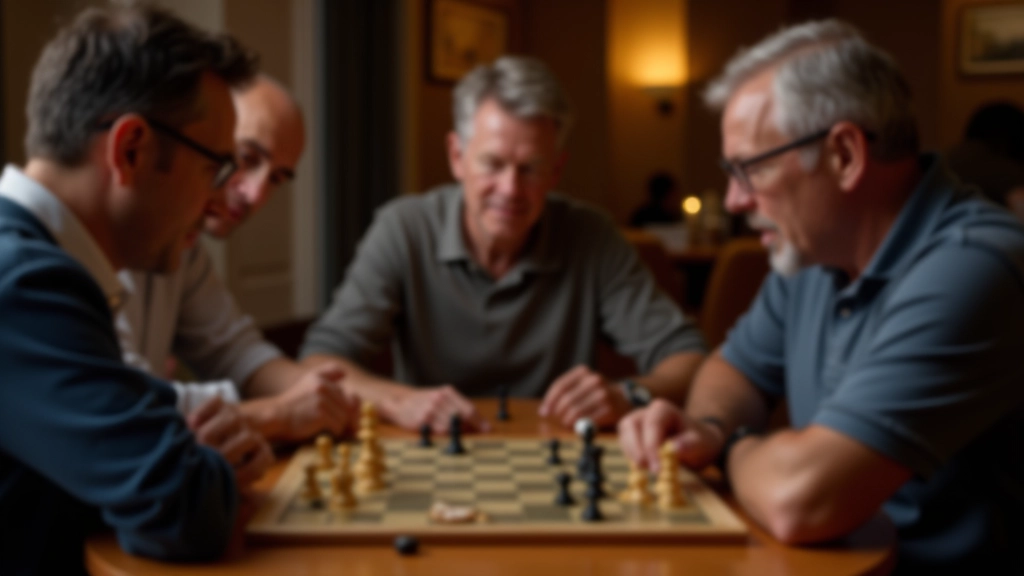
Everything you need to know about joining game clubs, tournament rules, and finding your community
Find local chess clubs, understand rating systems, and join your first tournament. We’ve mapped the best clubs from Porto to Lisbon.
Read More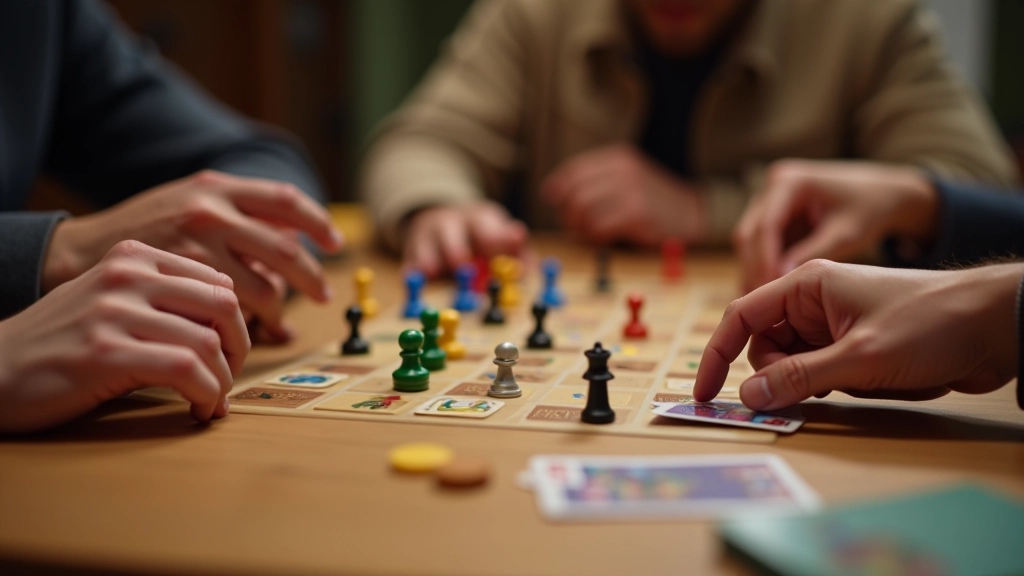
Exploring games that challenge the mind without requiring reflexes. Ticket to Ride, Catan, and others that fit the 40-60 crowd perfectly.
Read More
A practical guide to tournament structures, entry fees, and what to expect at your first competitive card game event in Portugal.
Read More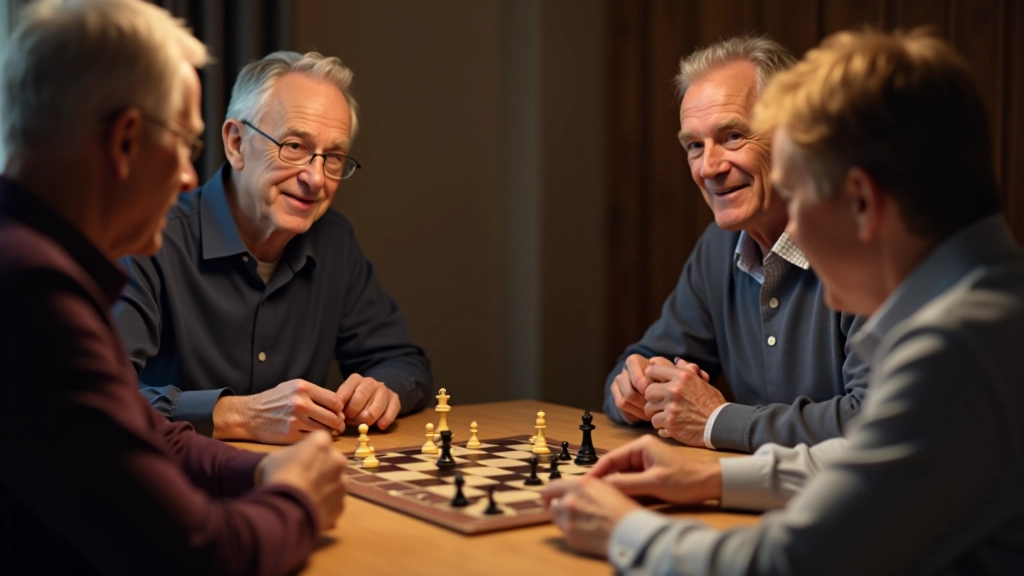
Why cooperative games work so well for group meetups. Discover titles where everyone wins or loses together, perfect for social play.
Read More“I wasn’t sure about joining a club at first — thought I’d be rusty. But everyone there was starting fresh or getting back into it. Three months in and we’ve got a regular Tuesday night group. Best decision honestly.”
There’s something special about sitting down with a group of people who actually want to think carefully. No rush. No distractions. Just good conversation, strategy, and the satisfaction of winning a hard-fought game.
Game clubs in Portugal aren’t exclusive or intimidating. They’re places where people with different backgrounds and skill levels come together. Whether you’re returning to chess after twenty years or trying tabletop gaming for the first time, you’ll find your people.
Plus, it’s exercise for the brain. Studies show that strategic games improve cognitive function, social connection, and overall wellbeing. Not that you need science to know that winning feels good.
Most Portuguese cities have active game communities. Start by checking local board game cafes, libraries, and community centers. Many clubs meet weekly and welcome newcomers without advance notice.
Some groups are competitive with formal tournaments. Others are casual social meetups. Chess clubs tend to be more structured. Cooperative game sessions are relaxed. Find what matches your style.
Experienced players actively help newcomers. Rules aren’t complicated. Most games take one explanation to understand. The fun part is strategy and interaction, not memorization.
Game clubs become friend groups. You’ll see the same faces regularly. Conversations extend beyond the table. Many groups organize social dinners or trips to larger tournaments together.