


Optevira Logo Optevira Contact Us
Contact Us

Card Game Tournaments — Rules & How to Enter

Everything you need to know about tournament structures, entry procedures, and what to expect at your first competitive card game event in Portugal.

6 min read Intermediate March 2026
Playing cards spread in fan pattern showing card game in progress, table setting with beverage nearby

Why Tournament Play?

Card game tournaments aren’t just for serious competitors. They’re social events where you’ll meet other players, test your skills against different opponents, and discover new strategies you hadn’t considered before. Whether you’re playing Magic: The Gathering, Pokémon, or traditional bridge, tournaments offer structure and excitement that casual games can’t match.

Most Portuguese clubs host tournaments monthly, and they’re designed to welcome players at all levels. You don’t need a championship deck or years of experience — just a genuine interest in playing well and learning from others. The format, rules, and atmosphere are all standardized so you know exactly what to expect when you walk through the door.

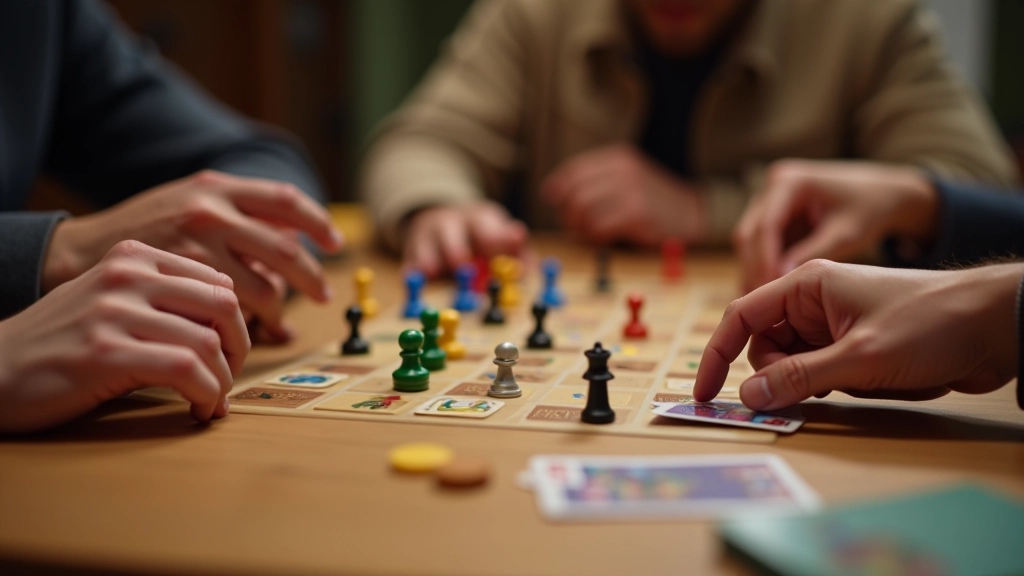
Players gathered around tournament tables concentrating on card game matches, competitive yet friendly atmosphere

Tournament Formats Explained

You’ll encounter three main tournament formats in Portugal. Swiss System is the most common — you’re paired with opponents of similar records in each round, typically 3-5 rounds total. This means you won’t be eliminated early even if you lose your first match. It’s genuinely the fairest format for casual players because you’re always matched with people at your current skill level.

Then there’s Round Robin , where you play everyone else once. It’s rarer but you’ll see it in smaller clubs. And Single Elimination is the drama format — lose once and you’re out, but you’ll know exactly where you stand. Most club tournaments stick with Swiss because it keeps everyone engaged throughout the event.

Pro tip:

Ask the organizer which format they’re using before you register. Swiss System is beginner-friendly. Single Elimination is thrilling but brutal if you’re new.

Tournament bracket board displayed at gaming venue showing Swiss system pairings and standings

How to Enter a Tournament

01

Find Your Tournament

Check your local club’s website or social media. Most clubs post their tournament calendar 4-6 weeks in advance. Look for the date, format (Swiss/Round Robin/Elimination), and what card game it features. Write down the start time — most tournaments begin at 19:00 or 20:00 to accommodate work schedules.

02

Prepare Your Deck

If it’s a constructed format (bringing your own cards), build your deck according to the tournament’s specific rules. Most clubs have a deck construction guide available. Arrive 30 minutes early so you can check your deck list with the organizer. Illegal cards or deck construction mistakes can disqualify you, but catching them early means you can adjust before play starts.

03

Register and Pay

Arrive early to register at the tournament desk. You’ll provide your name, which is recorded on the standings board. The organizer explains any house rules (time limits per match, what counts as a legal play). Most clubs keep matches to 50 minutes per round — tight but manageable once you’re familiar with your deck.

04

Play and Learn

Your opponent’s name appears on the pairing sheet. Shake hands, sit down, and play. The organizer walks around monitoring tables for disputes. Most opponents are friendly — don’t hesitate to ask clarification questions about rules. After each match, check the standings posted on the wall. Watching where others stand motivates you for the next round.


Tournament registration desk with organizer checking player deck and marking attendance sheet

Tournament Rules You’ll Encounter

Every tournament follows the official rules of that card game, but clubs add their own house rules for practical reasons. Time management is universal — you’ve got 50 minutes to finish your match, and matches that go to time are judged by game state (whoever’s winning gets the advantage). You can’t pick up your cards once they’re placed down, can’t look at your discard pile without asking, and must keep your hand visible.

Decks are shuffled by both players before each game. Your opponent shuffles your deck (you don’t shuffle your own — prevents cheating through stacking). If you accidentally reveal cards while shuffling, that’s fine — just keep playing. Disputes are resolved by the tournament organizer, who’s familiar with the rulebook and makes final calls.

One critical rule: you must announce everything clearly. If you’re playing a card with a special effect, say what it does out loud. If you’re activating an ability, announce it before taking any action. This prevents accidental misplays and keeps the game fair for both players.

Tournament rulebook and official deck construction guide displayed on tournament table

Preparing for Your First Tournament

Know Your Deck Inside Out

Test-play your deck at least 10 times before the tournament. You should know the mana curve, understand your key cards’ interactions, and recognize when you’re winning or losing. Don’t show up with a brand-new deck you’ve never piloted — you’ll spend your first three rounds figuring out how it works instead of competing.

Bring the Right Supplies

Dice for tracking life total (or pen and paper), card sleeves, pen for notes, and your decklist printed out. Some tournaments require deck lists in advance — check when you register. Bring water. Tournaments run 3-4 hours, and staying hydrated helps you think clearly during close matches.

Arrive Early, Relax

Get there 30-45 minutes before start time. This gives you time to chat with other players, grab a coffee, and calm your nerves. Tournaments are intimidating your first time, but everyone’s been there. The environment is welcoming — people help newcomers and answer questions genuinely.

Learn From Losses

After each match, take 2 minutes to think about what happened. Did you mulligan (draw again) too aggressively? Miss a key play? These lessons matter more than your final ranking. Most winning players lost plenty of early tournaments — you’re building experience, not trying to go undefeated.

Your Tournament Awaits

Entering your first tournament is a genuine milestone in your card game journey. You’ll meet players with different strategies, see how your deck performs against varied opponents, and discover what you’re really capable of. The atmosphere at Portuguese clubs is collaborative — people want you to succeed and don’t mind explaining rules or discussing plays after the match.

Start with a local club tournament, follow the entry process outlined above, and don’t stress about winning. Focus on playing clean matches, asking questions when you’re unsure, and enjoying the social side of competitive play. After a few tournaments, you’ll know exactly what works for you — whether that’s Swiss System events, specific formats, or particular clubs where you mesh well with the community.

Ready to find your first tournament? Check your local club’s website or visit the Portuguese Card Games Federation website for upcoming events in your area.

Explore More Guides

Information Notice

This guide provides general information about tournament structures and entry procedures commonly found at Portuguese card game clubs. Specific rules, formats, and procedures vary by venue and game type. Always confirm current tournament details directly with your local club before registering, as schedules, formats, and house rules may change. Club organizers are your authoritative source for tournament-specific information.